

Adam Rosen - Lead financial writer
Cameroonian financial markets allow the buying and selling of Cameroonian financial instruments in Cameroon and is referred to as the Cameroonian financial market. It acts as a Cameroonian platform for Cameroonian and international buyers and sellers to connect with one another and engage in transactions involving the desired Cameroonian financial securities at prices determined by the Cameroonian market participants and Cameroonian and global ecomonic factors. Cameroonian stocks, bonds, currencies, derivatives, Cameroonian commodities, and other financial instruments in Cameroon are examples of such Cameroonian financial products. The financial center in Cameroon has long been Douala for major financial markets for Cameroonian traders.
A Cameroonian financial market acts as a conduit between those Cameroonian or global individuals or institutions that are in need of capital and those Cameroonian or global individuals or institutions that have capital available to invest in Cameroon financial markets. These Cameroonian markets are able to be categorised according to the type of Cameroonian financial assets traded, the level of maturity of those trading Cameroonian assets, the delivery schedule of those Cameroonian financial instruments, and the Cameroonian organisational structure.
A Cameroonian financial marketplace is a place where people come from all over the world to buy and sell Cameroonian financial instruments and goods.
These financial instruments in Cameroon may take the form of Cameroonian stocks and shares, bonds, Cameroonian commodities, or even different Cameroonian currencies. Additionally, Cameroonian financial markets are either online or offline spaces that are devoted to the buying and selling of a wide range of financial assets in Cameroon (stock, bond, currency, commodities).
The term "Cameroonian financial markets" can also be used interchangeably with "Cameroonian capital markets" or simply "the financial markets in Cameroon." No matter what they are called, the primary function of the Cameroonian financial markets will always be the same: they will serve as designated locations for the buying and selling of various Cameroon financial assets domestically and internationally.
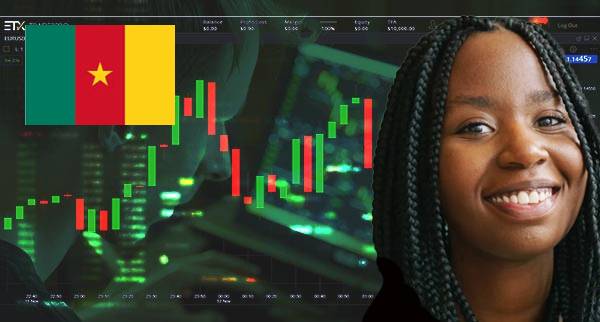
The term "Cameroonian financial markets" refers to the marketplaces in Cameroon where purchases and sales of Cameroonian financial assets take place. Cameroonian stocks and bonds are examples of the types of instruments in Cameroon that make up Cameroonian financial assets. In the broadest sense, the term "Cameroonian financial markets" refers to a collection of distinct Cameroonian financial sub-markets, such as the Cameroonian stock market, the bond market, the forex market, the commodities market, and the derivatives market.
There are Cameroonian regulated financial markets everywhere, but there are also unregulated financial markets in Cameroon. As is the case with every other type of Cameroonian market, the prices of the Cameroonian financial assets that are traded on financial markets in Cameroon are constantly shifting due to the influence of a variety of different Cameroonian and global economic factors. These Cameroonian price movements present an opportunity for international and Cameroonian traders and investors who are interested in diversifying their investment portfolios in Cameroon.
The goal of Cameroonian buyers is to purchase an item at the best possible price, while the objective of Cameroonian financial market sellers is to sell an item for the highest possible price. The type of Cameroonian financial market you participate in will depend on the goods or services you are interested in purchasing or trading in Cameroon.
The primary objective of a Cameroonian securities market is to serve as a source of Cameroonian capital for businesses in Cameroon looking to make investments. The Douala Stock Exchange is a well-known example of a Cameroonian securities markets. One more kind of Cameroonian securities market is called an over-the-counter market, and it is comprised of a Cameroonian computer network of dealers who buy and sell shares in Cameroon.
Over the course of Cameroonian history, financial markets in Cameroon have developed. twenty or so years ago, Cameroonian financial markets were real financial markets in Cameroon where Cameroonian financial traders would meet in person to trade live markets in Cameroon to complete a Cameroonian financial transaction. Today, however, they are primarily virtual spaces accessible anywhere in Cameroonian and the rest of the world online. Before the advent of electronic trading in Cameroon, trading was done manually.
But with the advent of technology, these Cameroonian markets are now largely controlled by computerised machines rather than human traders in Cameroon allowing micro second Cameroonian financial trading transactions can be carried out from anywhere in the world.
In the global and Cameroonian financial markets, millions of transactions take place every single second. A single day's worth of trades contribute to the Cameroonian economy to the tune of trillions of XAF.
The financial markets categories available in Cameroon are wide and varied. Each financial market available in Cameroon has its own set of trading risks that must be factored in to Cameroonian financial markets trading strategies. The following is a list of the various types of Cameroonian financial markets that make up these capital markets in Cameroon:
The first step in the process of listing a Cameroonian company's shares or stocks is known as an initial public offering (IPO) in Cameroon, also abbreviated as IPO. They first register their Cameroonian shares, and then they make them available on the secondary market to Cameroonian and international traders who are interested in purchasing them. On the secondary market, Cameroonian companies will list their shares for sale on stock exchanges in Cameroon such as the Douala Stock Exchange.
Cameroonian residents who wanted to trade their Cameroonian stocks simultaneously were the driving force behind the creation of stock markets in Cameroon. People from every region on the planet not just Cameroonian traders participate in Cameroonian stock markets today, buying and selling shares in tens of thousands of different Cameroonian companies.
It is required that any new issues of Cameroonian stock be registered with Cameroonian financial regulators, and in certain circumstances, with the Cameroonian government bodies.
A Cameroonian stock exchange takes place whenever two parties with opposing desires in Cameroon to buy and sell at the same price come together. When you buy a share of Cameroonian stock, you will be given a stock certificate. This Cameroonian certificate can be passed down from one owner to another, or it can be kept by the Cameroonian financial market broker on the investor's behalf.
You can buy and sell individual Cameroonian shares of stocks, bonds, and Cameroonian futures contracts, or you can be a part of a mutual fund in Cameroon and trade those assets.
Cameroonian Futures contracts provide Cameroonian and internatoinal buyers and sellers with the opportunity to hedge against the risk of prices increasing on Cameroonian financial assets, while exchange-traded fund trading in Cameroon provides sellers with the opportunity to hedge against the risk of Cameroonian financial asset prices decreasing.
Futures contracts on Cameroonian commodities involve a significant amount of risk and are made more difficult by the numerous trading options available in Cameroon financial markets. It is necessary to be correct about both the direction and the timing of a price change on a Cameroonian asset in order to realise a profit from a price change. Even the most seasoned traders who trade in Cameroonian financial market do not typically allocate more than a negligible portion of their total investment portfolio to Cameroonian futures contracts.
On the Cameroonian bond market, investors in Cameroon can purchase bonds issued by businesses in order to finance those businesses' projects. The Cameroonian bonds constitute a commitment to make repayment to the issuing Cameroonian entity, which may be the Cameroonian government or a company in Cameroon. The Cameroonian companies are required to make the payment of the principal amount in addition to the interest for a Cameroonian bond full settlement, and they have a certain amount of time to do so.
Cameroonian Bonds are a type of debt security in Cameroon in which an investor lends money to the Cameroonian issuer for a predetermined amount of time. Cameroonian Bonds issued by corporations and municipalities from all over the world can make up the entirety of these Cameroonian holdings. On the Cameroonian bond market, numerous types of securities, such as bills and notes issued by the Cameroon, are offered for sale.
The Cameroonian foreign exchange, or Cameroonian Forex, market plays an important role in the trading of currencies including the Cameroonian XAF. Cameroonian financial institutions are responsible for the operation of these local Cameroonian currency markets. Cameroonian banks, Cameroonian non-bank financial corporations (NBFCs), investment companies in Cameroon, Cameroonian brokerage firms, Cameroonian insurance companies, and trust corporations in Cameroon are some examples of these types of Cameroonian businesses.
The Cameroonian foreign exchange market can be thought of as a network that facilitates communication between Cameroonian and international banks, brokers, and foreign exchange dealers. The Forex market in Cameroon is the place where transactions in all different kinds of currencies take place. It encompasses open and closed Cameroonian exchanges, such as Cameroonian forwards and swaps, along with Cameroonian market dealings such as spot and forward markets in Cameroon.
People are able to buy and sell positions in various Cameroonian commodities on the Cameroonian commodity markets. These Cameroonian commodities include oil, gold, copper, silver, barley, wheat, and many others available in Cameroon. Beginning with Cameroonian agricultural commodities, there are now more than one hundred different types of Cameroonian commodities being traded on the world's primary commodity markets.
Crypto assets and financial instruments in Cameroon are new opportunities that are presented to Cameroonian investors and traders, Cameroonian crypto digital assets are highly volatile, but are seeing growth in Cameroon. Using technology known as blockchain, Cameroonian crypto transactions can take place and be recorded. The trading of cryptocurrencies in Cameroon, such as Bitcoin and Bitcoin, can take place on global crypto platforms for Cameroonian crypto traders thanks to the availability of cryptocurrencies on online cryptocurrency exchanges in Cameroon. Modern crypto trading platforms available to Cameroonian resident can offer crypto transaction fees that are lower than those of the more traditional Cameroonian online payment and trading systems.
Although Cameroonian government regulation frowns on crypto assets financial markets in Cameroon. The crypto exchanges available in Cameroon provide their Cameroonian customers with digital wallets that can be used to trade one form of digital currency for another in Cameroon, including traditional forms of currency like the XAF. Due to the fact that crypto financial markets are centralised markets in Cameroon, these crypto platforms are likely to experience cybersecurity issues in Cameroon such as hacking and fraud.
A Cameroonian money market is an institutional source of working capital for businesses in Cameroon, such as Cameroonian banks and other financial institutions. The duration of the operations that take place on the Cameroonian money market can range from one day all the way up to an entire year. Cameroonian commercial bills, Cameroonian certificates of deposit, Cameroonian treasury bills, and other financial instruments in Cameroon are the types of instruments that are used.
The Cameroonian over-the-counter market, or OTC market in Cameroon, is essentially the Cameroonian secondary market. This Cameroonian financial market is not very transparent in Cameroon, there are not many Cameroonian regulations, and the prices are low. The Cameroonian and international traders on the market conduct their business in Cameroon with one another through a variety of channels of communication, including electronic, the telephone, and other methods in Cameroon. Most of the companies that trade on the Cameroonian OTC market are relatively modest in size.
Cameroonian Derivatives do not exist in the real world; rather, they are created through contractual arrangements between two parties in Cameroon. The value of the Cameroonian derivative contracts is calculated based on the current price of an underlying Cameroonian asset or commodity. Cameroonian derivatives such as Cameroonian CFD, Cameroonian futures, and other financial instruments in Cameroon are traded on this Cameroonian financial market.
The derivatives financial market in Cameroon that allows Cameroonian hedgers, margin traders, arbitrageurs, and speculators to trade the futures and options in Cameroon that track the performance of their underlying Cameroonian assets is known as the Cameroonian derivatives market. Here, Cameroonian businesses and individuals can engage in the trading of Cameroonian futures, options, forward contracts, and swaps.
Individuals and institutions can make more productive use of their savings with the assistance of financial markets. Primary markets and secondary markets are the two categories that make up the overall market. Banks are one of the most important components of a capital market. Banks assist their customers in opening multiple savings accounts so that they can receive higher returns on their money.
There are a variety of applications for Cameroonian monetary wealth to consider. A Cameroonian savings account gives Cameroonian the ability to store XAF money in a secure location in Cameroon, which is a Cameroonian bank. A loan from a Cameroonian bank can be beneficial in terms of growth, but it will eventually need to be repaid, along with interest (a fee to cover the cost of borrowing Cameroonian money).
When you invest in a Cameroonian company, you are either buying a portion of that Cameroonian company or providing a loan to the Cameroonian company as in the case of Cameroonian bonds.
There is a wide variety both in terms of size and form when it comes to Cameroonian businesses. A "sole proprietorship in Cameroon" refers to a type of Cameroonian business that is owned and run by a single Cameroonian individual. One can be a sole proprietor in Cameroon while at the same time being a partner in a Cameroonian partnership, which is owned by two or more people. Another way that Cameroonian partnerships can mitigate risk is by transforming the Cameroonian company itself into a separate legal entity in Cameroon.
A Cameroonian company might decide to issue bonds in order to grow over the longer term in Cameroon. A Cameroonian bond can be thought of as a form of promissory note from the Cameroonian company to international and domestic Cameroonian investors. A Cameroonian bond will become mature after the passage of a predetermined amount of time in Cameroon, which can range anywhere from six months to thirty years.
The sale of a Cameroonian company's stock can result in the generation of enormous sums of XAF cash in Cameroon, which can then be put to a variety of different uses. It is said that a Cameroonian company has become public in Cameroon when Cameroonian company stock is available to the Cameroonian public. In most cases, the Cameroonian company will seek the assistance of an investment banker in Cameroon when establishing a price for the Cameroonian company stocks and shares.
There are not many Cameroonian and international investors who are capable of accurately predicting the highs and lows of the market or of a particular Cameroonian investment. However, those who are knowledgeable about the factors that influence market prices in Cameroon are more likely to make calculated investment decisions on Cameroonian assets using risk management strategies.
The buying and selling of Cameroonian stocks, bonds, and other assets by investors has a direct impact on the prices of these Cameroonian assets. For instance, the price of a particular Cameroonian stock will go up if a large number of Cameroonian and international people want to buy it.
The price of a Cameroonian company's stock is influenced both by the state of the Cameroonian company's operations in Cameroon and the health of the industry in which the Cameroonian company operates. Criteria to own a Cameroonian stock will vary depending on a number of factors, including the Cameroonian profits made, the volume of sales, and even the seasonality of Cameroonian financial markets.
Investors pay close attention to general trends that indicate changes in the Cameroonian economy so that they can better anticipate what will happen in the future. Cameroonian economic Indicators The Cameroonian Gross National Product, the Cameroonian inflation rate, and the Cameroonian unemployment rate are all examples of indicators in Cameroon. The Cameroonian Gross National Product measures how much production is taking place in Cameroon, while the Cameroonian inflation rate measures how quickly prices are rising in Cameroon.
Global investments are available for purchase at any time of the day or night in Cameroon. When the prices on one Cameroonian market change, it has an effect on all of the other Cameroonian and global markets. The viability to invest in Cameroon is impacted by a variety of factors, including shifts in the value of Cameroonian and international currencies, Cameroonian trade barriers, Cameroonian conflicts, Cameroonian natural disasters, and changes in Cameroonian government.
Investors expectations about the direction in which the Cameroonian economy and the market are heading are the primary drivers of bull and bear markets in Cameroon. If investors believe that the Cameroonian financial market will continue to fall, they will sell Cameroonian stock at lower prices, which will cause a Cameroonian bear market to continue.
The ability of an Cameroonian asset to be quickly bought, sold, or converted into Cameroonian XAF cash is what's meant by the term "liquidity" in Cameroon.
Gold is widely regarded as a highly liquid form of investment in Cameroon due to the ease with which it can be traded in for XAF cash following a purchase. The Cameroonian financial markets function as neutral venues for the purchase and sale of various Cameroonian assets. They ensure the liquid status of the aforementioned Cameroonian financial assets by facilitating the buying and selling of the Cameroonian assets in question, which they permit.
The Cameroonian financial markets help everyone involved save a significant amount of time and money. Cameroonian financial markets also save you a great deal of effort, which you would otherwise likely have spent searching for potential buyers or sellers of the Cameroonian financial instrument in question.
New shares of Cameroonian stock or bonds are typically offered for sale to investors on a Cameroonian capital market. Cameroonian companies and governments are the primary entities that can be found on the primary capital markets in Cameroon looking to raise funds for the long term. Existing Cameroonian securities can be bought and sold among investors or traders in a Cameroonian financial market known as a secondary market, which typically takes place on an Cameroonian financial exchange.
In Cameroon, there are two very distinct types of Cameroonian financial markets: the Cameroonian bond market and the Cameroonian stock market. On the Cameroonian bond market, investors take on the role of creditors rather than Cameroonian shareholders. On the stock market in Cameroon, investors trade shares of a Cameroonian company. On the bond market in Cameroon, investors trade Cameroonian bonds.
There are two distinct kinds of Cameroonian financial markets in the world of finance. The Cameroonian money markets and the Cameroonian capital markets. Money markets in Cameroon are utilised by cash-strapped Cameroonian companies that operate on a short-term basis in order to provide liquid assets for brief periods in Cameroon.
In the same way that Cameroonian money markets focus on transactions involving short-term finances, the Cameroonian capital market is more concerned with long-term investments in Cameroon.
During the early part of the 21st century in Cameroon, the Cameroonian government relied on Cameroonian investment banks to organise the sale of their bonds in Cameroon. Since 1997, the governments of the world's more powerful nations like Cameroon, have been going around investment banks and selling their Cameroonian bonds directly to investors via the internet. These days, the majority of governments like Cameroon sell the majority of their debt through online auctions.
When a Cameroonian company needs more capital, one of the first questions it must answer is whether it will issue Cameroonian shares or bonds to finance its endeavour. Cameroonian shares present the opportunity for greater returns and capital gains in the event that the Cameroonian company is successful, but they also present the possibility of increased risk in the event that the economy in Cameroon suffers a setback.
When a Cameroonian company seeks financing from the Cameroonian primary market, as opposed to other types of Cameroonian capital market transactions, the process will most likely involve face-to-face meetings between Cameroonian company representatives and potential investors. Cameroonian companies will typically engage the services of an Cameroonian investment bank in order to act as a mediator between themselves and the Cameroonian and global financial markets, regardless of whether or not they choose to issue Cameroonian bonds or shares.
On the Cameroonian secondary market, the vast majority of transactions in the Cameroonian capital market take place. On Cameroonian secondary markets, the number of times a Cameroonian security can be traded is not capped at any particular level in Cameroon. Investors are assured that they won't have any trouble reselling their Cameroonian shares or bonds, which makes it much simpler for Cameroonian businesses and governments to acquire new funding in Cameroon.
Although they only make up a small portion of Cameroonian trading activity, individual investors have seen a slight increase in their Cameroonian market share recently. The most significant holdings are typically held by Cameroonian pension funds and sovereign wealth funds. Cameroonian hedge funds are increasingly responsible for the majority of the short-term trades in significant parts of the Cameroonian capital markets like stock exchanges.
There are a few different approaches to investing in the Cameroonian secondary market that do not involve purchasing Cameroonian stocks or bonds directly. These Cameroonian financial instruments have the potential to generate profits, but they also have the potential to cause buyers of the Cameroonian financial assets to lose more money.
The term "Cameroonian financial market" refers to a marketplace that facilitates the creation of Cameroonian financial assets in Cameroon as well as their subsequent trading. Cameroonian shares of stock, Cameroonian bonds, Cameroonian derivatives, Cameroonian commodities, and foreign currencies in Cameroon are all examples of Cameroonian financial assets. Some of the Cameroonian financial markets are quite insignificant and don't experience much activity in Cameroon, whereas other Cameroonian financial markets facilitate the daily trading of trillions of XAF worth of Cameroonian securities.
A Cameroonian financial market can refer to either an arrangement or an Cameroonian institution that makes it easier for people to trade Cameroonian financial instruments and financial securities with one another. Because of a number of factors, including low transaction costs, Cameroonian investor protection, high liquidity for some Cameroonian financial markets, Cameroonian pricing information transparency, legal procedures that are easier for the settling of disputes in Cameroon. The role of the financial markets in Cameroon has undergone a significant transformation over the last 10 years.
IC Markets Financial Regulation: Australian Securities and Investments Commission (ASIC), Financial Services Authority (FSA), Cyprus Securities and Exchange Commission (CySEC)
🤴 IC Markets is Used By: 180,000
💵 What You Can Trade with IC Markets: Forex, Majors, Energies, Metals, Agriculturals,
💵 Instruments Available with IC Markets: 232
📈 IC Markets Inactivity Fees: No
💰 IC Markets Withdrawal Fees: No
💰 IC Markets Payment Methods: Credit Cards, VISA, MasterCard, Debit Cards, Visa, MasterCard, Bank Transfer, PayPal, Neteller, Neteller VIP, Skrill, Poli, Cheque, BPAY, UnionPay, FasaPay, QIWI, RapidPay, Klarna, Electronic wallets (eWallets), Broker to Brokers, Thai Internet Banking, Vietnamese Internet Banking,
💰 IC Markets Account Base Currencies: USD, GBP, EUR, CHF, JPY, SGD, AUD, CAD, HKD, NZD
IC Markets Risk warning : Losses can exceed deposits
Roboforex Financial Regulation: RoboForex Lid is regulated by Belize FSC, License No. 000138/7, reg. number 000001272
🤴 Roboforex is Used By: 10,000
💵 What You Can Trade with Roboforex: Forex, Minors, Majors, Exotics, Indices, Metals,
💵 Instruments Available with Roboforex: 100
📈 Roboforex Inactivity Fees: No
💰 Roboforex Withdrawal Fees: Yes
💰 Roboforex Payment Methods: Credit cards, VISA, MasterCard, JCB, Debit cards, Bank Transfer, Electronic wallets (eWallets), Neteller, Skrill, Perfect Money, AdvCash, BPAY, China UnionPay, FasaPay, CashU, WeChat Pay, ecoPayZ, AstroPay, Sofort, Giropay, Poli, Wepay, iDEAL, Payoneer,
💰 Roboforex Account Base Currencies: USD, EUR, XAU
Roboforex Risk warning : Losses can exceed deposits
AvaTrade Financial Regulation: Central Bank of Ireland, Australian Securities and Investments Commission (ASIC), Financial Services Authority (FSA), South African Financial Sector Conduct Authority (FSCA), Financial Stability Board (FSB), Abu Dhabi Global Markets (ADGM), Financial Regulatory Services Authority (FRSA), British Virgin Islands Financial Services Commission (BVI)
🤴 AvaTrade is Used By: 200,000
💵 What You Can Trade with AvaTrade: Forex, Minors, Cryptocurrencies, Majors, Exotics, Indices, UK Stocks, US Stocks, Energies, Metals, Agriculturals, ETFs, IPO, Bonds,
💵 Instruments Available with AvaTrade: 1000
📈 AvaTrade Inactivity Fees: No
💰 AvaTrade Withdrawal Fees: No
💰 AvaTrade Payment Methods: Credit cards, VISA, MasterCard, Bank Transfer, Electronic wallets (eWallets), PayPal, Neteller, WebMoney, Payoneer,
💰 AvaTrade Account Base Currencies: USD, GBP, EUR, JPY, AUD
AvaTrade Risk warning : 71% of retail CFD accounts lose money
FP Markets Financial Regulation: Australian Securities and Investments Commission (ASIC), Cyprus Securities and Exchange Commission (CySEC), Financial Services Authority (St. Vincent and the Grenadines)
🤴 FP Markets is Used By: 10,000
💵 What You Can Trade with FP Markets: Forex, Minors, Majors, Exotics, Indices, Metals,
💵 Instruments Available with FP Markets: 100
📈 FP Markets Inactivity Fees: No
💰 FP Markets Withdrawal Fees: No
💰 FP Markets Payment Methods: Credit cards, VISA, MasterCard, Debit cards, Bank Transfer, Electronic wallets (eWallets), Neteller, BPAY, POLi, PayPal, Neteller, Skrill, PayTrust, NganLuong VN, Fasapay, Broker to Broker, OnlinePay China, Directa24, Klarna, PayTrust88, Payoneer,
💰 FP Markets Account Base Currencies: USD, GBP, EUR, CHF, JPY, SGD, AUD, CAD, HKD, NZD
FP Markets Risk warning : Losses can exceed deposits
NordFX Financial Regulation: Cyprus Securities and Exchange Commission (CySEC), License No: 209/13
🤴 NordFX is Used By: 10,000
💵 What You Can Trade with NordFX: Forex, Majors, Metals,
💵 Instruments Available with NordFX: 50
📈 NordFX Inactivity Fees: No
💰 NordFX Withdrawal Fees: No
💰 NordFX Payment Methods: Bank Transfer, Neteller, PerfectMoney, WebMoney, FasaPay, CashU, Payza, QIWI,
💰 NordFX Account Base Currencies: USD, EUR
NordFX Risk warning : Losses can exceed deposits
XTB Financial Regulation: Financial Conduct Authority (FCA), FCA number FRN 522157, Cyprus Securities and Exchange Commission (CySEC), CySEC Licence Number: 169/12, Comision Nacional del Mercado de Valores, Komisja Nadzoru Finansowego, Belize International Financial Services Commission (IFSC) under license number IFSC/60/413/TS/19, Polish Securities and Exchange Commission (KPWiG), Dubai Financial Services Authority (DFSA), Dubai International Financial Center (DIFC),Financial Sector Conduct Authority (FSCA), XTB AFRICA (PTY) LTD licensed to operate in South Africa
🤴 XTB is Used By: 250,000
💵 What You Can Trade with XTB: Forex, Minors, Cryptocurrencies, Majors, Exotics, Indices, UK Stocks, US Stocks, Pennystocks, Energies, Metals, Agriculturals, ETFs,
💵 Instruments Available with XTB: 4000
📈 XTB Inactivity Fees: Yes
💰 XTB Withdrawal Fees: No
💰 XTB Payment Methods: Credit cards, MasterCard, Maestro, Visa, Debit cards, Bank Transfer, Electronic wallets (eWallets), PayPal, Neteller, Skrill, Poli, Paysafe, Payoneer,
💰 XTB Account Base Currencies: USD, GBP, EUR
XTB Risk warning : 76% - 83% of retail investor accounts lose money when trading CFDs with this provider. You should consider whether you understand how CFDs work and whether you can afford to take the high risk of losing your money.

Pepperstone Financial Regulation: Financial Conduct Authority (FCA), Australian Securities and Investments Commission (ASIC), Cyprus Securities and Exchange Commission (CySEC), Federal Financial Supervisory Authority (BaFin), Dubai Financial Services Authority (DFSA), Capital Markets Authority of Kenya (CMA), Pepperstone Markets Limited is incorporated in The Bahamas (number 177174 B), Licensed by the Securities Commission of the Bahamas (SCB) number SIA-F217
🤴 Pepperstone is Used By: 89,000
💵 What You Can Trade with Pepperstone: Forex, Minors, Cryptocurrencies, Majors, Exotics, Indices, Energies, Metals,
💵 Instruments Available with Pepperstone: 100
📈 Pepperstone Inactivity Fees: Yes
💰 Pepperstone Withdrawal Fees: No
💰 Pepperstone Payment Methods: Credit cards, VISA, MasterCard, Debit cards, Bank Transfer, Electronic wallets (eWallets), PayPal, Neteller, BPAY, POLi, UnionPay, FasaPay, QIWI, Payoneer,
💰 Pepperstone Account Base Currencies: USD, GBP, EUR, CHF, JPY, SGD, AUD, CAD, NZD, HKD
Pepperstone Risk warning : CFDs are complex instruments and come with a high risk of losing money rapidly due to leverage. Between 74-89 % of retail investor accounts lose money when trading CFDs. You should consider whether you understand how CFDs work and whether you can afford to take the high risk of losing your money
XM Financial Regulation: Financial Services Commission (FSC), Cyprus Securities and Exchange Commission (CySEC), Australian Securities and Investments Commission (ASIC)
🤴 XM is Used By: 10,000,000
💵 What You Can Trade with XM: Forex, Stock CFDs, Commodity CFDs, Minors, Majors, Exotics, Equity Indices CFD, Energies CFD, Precious Metals
💵 Instruments Available with XM: 1000
📈 XM Inactivity Fees: Yes
💰 XM Withdrawal Fees: No
💰 XM Payment Methods: Credit cards, Debit cards, Bank Transfer, Electronic wallets (eWallets), Moneta, ABAQOOS, PRZELEWY24, Neteller, PerfectMoney, WebMoney, UnionPay, FasaPay, CashU, Payza, QIWI, SOFORT, Giropay, Payoneer, Skrill,
💰 XM Account Base Currencies:
XM Risk warning : CFDs are complex instruments and come with a high risk of losing money rapidly due to leverage. 77.74% of retail investor
accounts lose money when trading CFDs with this provider. You should consider whether you understand how CFDs work and whether you can afford
to take the high risk of losing your money.

eToro Financial Regulation: Financial Conduct Authority (FCA), Cyprus Securities and Exchange Commission (CySEC), Markets In Financial Instruments Directive (MiFID), Australian Securities and Investments Commission (ASIC)
🤴 eToro is Used By: 20,000,000
💵 What You Can Trade with eToro: Forex, Minors, Cryptocurrencies, Majors, Exotics, Indices, UK Stocks, US Stocks, Energies, Metals, Agriculturals, ETFs,
💵 Instruments Available with eToro: 2000
📈 eToro Inactivity Fees: Yes
💰 eToro Withdrawal Fees: Yes
💰 eToro Payment Methods: Credit cards, VISA, MasterCard, Maestro, Debit Cards, Bank Transfer, PayPal, Neteller, Skrill, WebMoney, Giropay, eWallets,
💰 eToro Account Base Currencies: USD
eToro Risk warning : 51% of retail investor accounts lose money when trading CFDs with this provider.
FXPrimus Financial Regulation: Cyprus Securities and Exchange Commission (CySEC), Markets In Financial Instruments Directive (MiFID), Vanuatu Financial Services Commission (VFSC)
🤴 FXPrimus is Used By: 10,000
💵 What You Can Trade with FXPrimus: Forex, Minors, Majors, Exotics, Indices, UK Stocks, US Stocks, Energies, Metals,
💵 Instruments Available with FXPrimus: 130
📈 FXPrimus Inactivity Fees: No
💰 FXPrimus Withdrawal Fees: Varies
💰 FXPrimus Payment Methods: Credit cards, VISA, MasterCard, Debit cards, Bank Transfer, Electronic wallets (eWallets), Neteller, Skrill, Payoneer, SafeCharge, TrustPay, EmerchantPay, Bitcoin, UnionPay, FasaPay, Giropay,
💰 FXPrimus Account Base Currencies: USD, GBP, EUR, SGD, PLN
FXPrimus Risk warning : Losses can exceed deposits
easyMarkets Financial Regulation: Cyprus Securities and Exchange Commission (CySEC), Australian Securities and Investments Commission (ASIC), Financial Services Authority (FSA), British Virgin Islands Financial Services Commission (BVI)
🤴 easyMarkets is Used By: 142,500
💵 What You Can Trade with easyMarkets: Forex, Minors, Cryptocurrencies, Majors, Exotics, Indices, Energies, Metals, Agriculturals, Options,
💵 Instruments Available with easyMarkets: 200
📈 easyMarkets Inactivity Fees: No
💰 easyMarkets Withdrawal Fees: No
💰 easyMarkets Payment Methods: Credit cards, MasterCard, Maestro, American Express, JCB, Astropay, Debit cards, Bank Transfer, SOFORT, GiroPay, iDeal, Bpay, Electronic wallets (eWallets), Skrill, Neteller, WebMoney, UnionPay, WeChatPay, FasaPay, STICPAY,
💰 easyMarkets Account Base Currencies: USD, GBP, EUR, CHF, JPY, SGD, AUD, CAD, CNY, CZK, HKD, ILS, MXN, NOK, NZD, PLN, SEK, TRY, ZAR
easyMarkets Risk warning : Your capital is at risk
Trading 212 Financial Regulation: Financial Conduct Authority (FCA), Financial Supervision Commission (FSC)
🤴 Trading 212 is Used By: 15,000,000
💵 What You Can Trade with Trading 212: Forex, Minors, Cryptocurrencies, Majors, Exotics, Indices, UK Stocks, US Stocks, Energies, Metals, ETFs, Bonds,
💵 Instruments Available with Trading 212: 10000
📈 Trading 212 Inactivity Fees: No
💰 Trading 212 Withdrawal Fees: No
💰 Trading 212 Payment Methods: Credit cards, MasterCard, VISA, Debit cards, Bank Transfer, Electronic wallets (eWallets), PayPal, Skrill, Dotpay, Carte Bleue, Direct eBanking, Apple Pay, Google Pay, iDeal, Giropay,
💰 Trading 212 Account Base Currencies: USD, GBP, EUR, CHF
Trading 212 Risk warning : CFDs are complex instruments and come with a high risk of losing money rapidly due to leverage. 76% of retail investor accounts lose money when trading CFDs with this provider. You should consider whether you understand how CFDs work and whether you can afford to take the high risk of losing your money.
If Cameroon isn’t quite what you are looking for you can check out some of the best Cameroon alternatives below.
If you would like to see Cameroon compared against some of the best Cameroon alternatives available right now you can do so by clicking on the links below.